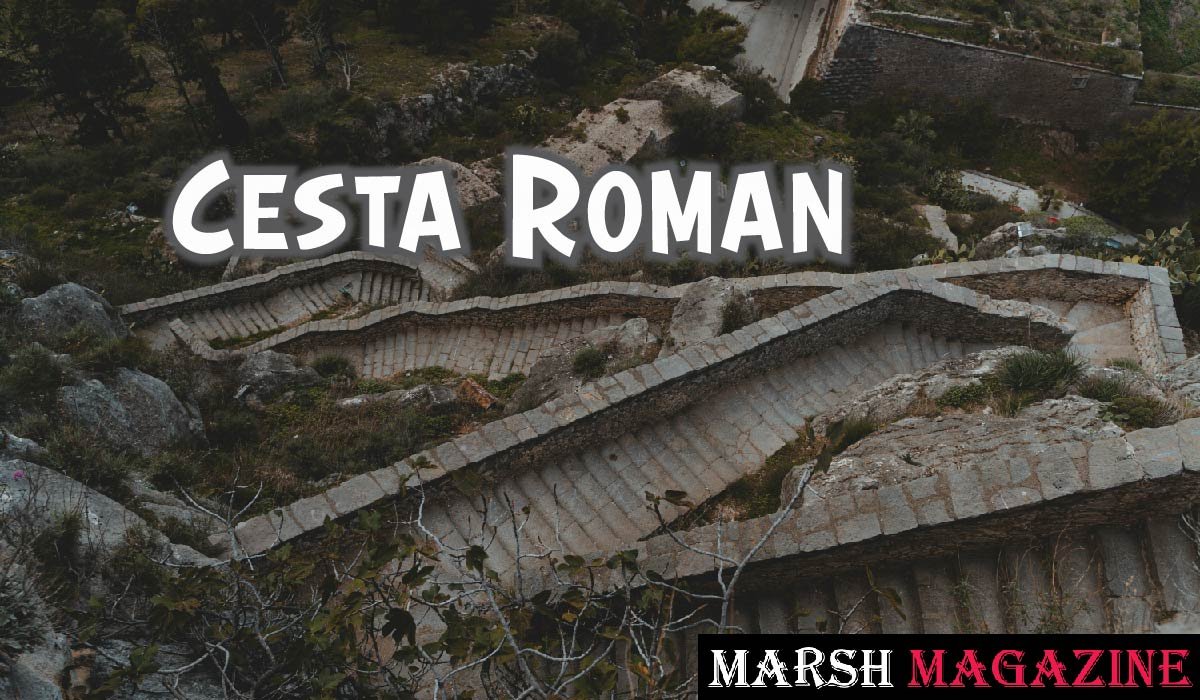
What if roads could build an empire? History shows they can. Strong roads shaped powerful civilizations across time. They connected people, ideas, and resources with great efficiency. In ancient Rome, roads became the foundation of control and expansion. They allowed movement, communication, and trade to flourish. Because of this, Rome transformed from a small city into a vast empire.Cesta roman refers to Roman roads, a vast and advanced network built by the Roman Empire. The original Latin term for these roads is viae Romanae. However, modern discussions often use this phrase to describe the same idea in a simpler way. It helps readers quickly understand the concept of Roman infrastructure without needing Latin knowledge.
What Is Cesta Roman?
Cesta roman describes the system of roads built by the Roman Empire. These roads connected cities, military bases, and trade centers. They formed a structured network that supported movement and control. The Latin term viae Romanae refers to the same system in historical context.
This network was not random or unplanned. Roman engineers designed roads with clear purpose and precision. Each road served a role in administration, trade, or defense. Because of this, roads became essential to the empire’s success. They allowed fast movement across large distances. They also ensured consistent communication between regions.
Meaning and Linguistic Origin
The phrase cesta roman combines modern and historical elements. The word “cesta” means road or path in several Slavic languages. Meanwhile, “Roman” connects the phrase to Rome and its empire. Together, the phrase clearly suggests Roman roads.
However, this term is not original Latin. Ancient Romans used the term viae Romanae instead. Despite this, the modern phrase remains useful. It simplifies complex historical language for modern readers. It also helps bridge linguistic gaps between cultures. Therefore, it has become popular in online content and discussions.
History of the Roman Road System
The history of Roman roads began in 312 BCE. The first major road, the Via Appia, connected Rome to southern Italy. Initially, roads served military purposes. Armies needed reliable routes for quick movement. As Rome expanded, the road network grew rapidly.
During the expansion phase, roads connected newly conquered regions. They extended across Europe, North Africa, and parts of Asia. At its peak, the network covered over 400,000 kilometers. This made it the largest road system in the ancient world.Later, the system faced decline. Maintenance became difficult as the empire weakened. However, many roads survived due to strong construction. Today, traces of these roads still exist across different regions.
Why Romans Built Roads
Romans built roads for several important reasons. First, military movement required speed and efficiency. Soldiers needed to travel quickly to maintain control. Roads made this possible across long distances.Second, administration improved through better connectivity. Officials could send messages without delay. This allowed Rome to govern vast territories effectively.
Third, trade and economy benefited greatly. Goods moved easily between regions. Markets expanded, and wealth increased.Finally, communication became faster and more reliable. Roads connected cities and provinces directly. Because of this, the phrase “roads equal power” truly reflects Roman strategy.
Also Read : Do Escritor Meaning: The Hidden Power Behind This Phrase
Roman Road Construction
Roman road construction followed a clear and advanced process. Engineers first surveyed the land using tools like the groma. They selected the most direct and practical route.
Next, workers dug a deep trench to prepare the foundation. Large stones formed the base layer. Smaller stones and gravel followed to improve stability. Finally, tightly fitted stones created a smooth surface.This layered structure ensured durability. Roads could handle heavy use and harsh weather. Because of this design, many roads lasted for centuries. Even today, some remain visible and usable.
Engineering Techniques and Design
Roman engineers applied smart design principles. They preferred straight routes to reduce travel time. When obstacles appeared, they adapted creatively. Bridges crossed rivers, while tunnels passed through hills.
Drainage played a key role in road durability. Roads were slightly raised in the center. This allowed water to flow away from the surface. As a result, damage from rain was minimized.The crowned shape and strong materials increased longevity. These techniques show the advanced knowledge of Roman engineers. Their methods still influence modern construction practices today.
Types of Roman Roads
Roman roads varied based on purpose and importance. The main roads, called viae publicae, connected major cities. The government maintained these routes regularly.
Secondary roads linked smaller towns and regions. They supported local trade and travel.Private roads served estates and rural areas. Landowners maintained these routes themselves.This structured system ensured efficiency across the entire network. Each type of road played a specific role in connectivity.
Famous Roman Roads
Several Roman roads became historically significant. The Via Appia stands as the most famous example. It played a key role in military and trade movement.
Other notable roads include Via Aurelia, Via Egnatia, and Via Flaminia. These routes connected important regions across the empire.Together, these roads formed a powerful network. They supported Rome’s expansion and stability for centuries.
Role in the Roman Empire
Roman roads played a central role in the empire’s success. Military dominance depended on rapid movement. Roads allowed armies to respond quickly to threats.Trade expansion also relied on these routes. Goods traveled efficiently between regions. This strengthened the economy and increased wealth.
Communication improved significantly. Messages moved faster than ever before. This allowed better governance across vast territories.Cultural unity developed as people traveled. Ideas, languages, and traditions spread across the empire. Roads helped create a connected world.
Cultural and Economic Impact
Roman roads influenced culture and economy deeply. The spread of Latin occurred through travel and interaction. Over time, this influenced many modern languages.Trade expanded across regions. Goods such as grain, wine, and textiles moved efficiently. This increased economic growth and stability.
Religious ideas also spread along these routes. Christianity expanded across the empire using this network.Urban development increased as cities connected through roads. This created stronger and more organized communities.
Roman Roads Today
Roman roads still influence modern infrastructure. Many highways follow the same routes built centuries ago. This shows the accuracy of Roman planning.Tourism has grown around these ancient paths. Travelers visit preserved sections across Europe and beyond. These sites offer a direct connection to history.Engineers study Roman techniques to improve modern construction. Their methods remain relevant even today.
Lessons for Modern Infrastructure
Roman roads teach valuable lessons. Strong planning ensures long-term success. Durable materials increase lifespan and reduce maintenance.
Smart engineering improves efficiency and usability. Connectivity supports economic growth and social development.These lessons remain important today. Modern systems rely on the same principles used by Roman engineers.
Challenges and Decline
Maintaining such a large network created challenges. Weather caused damage over time. Heavy use also increased wear and tear.
As the empire weakened, maintenance declined. Resources became limited, and control decreased.Eventually, many roads fell into disrepair. However, strong construction allowed many to survive.
Future and Preservation
Efforts continue to preserve Roman roads today. Archaeologists study these sites to understand ancient life.
Tourism supports conservation through funding and awareness. Governments protect important sections as historical landmarks.Modern technology helps restore and maintain these roads. Future generations will continue to learn from this legacy.
Conclusion
Cesta roman represents one of the greatest achievements in history. These roads connected an empire and shaped civilization. They supported military strength, economic growth, and cultural exchange.
Even today, their influence remains visible. Modern roads follow their paths and principles. This shows the lasting impact of Roman engineering.Understanding this concept provides valuable insight. It highlights how infrastructure drives progress and unity.
FAQs
What does Cesta Roman mean?
Cesta roman means Roman roads. It describes the network built by the Roman Empire.
Is Cesta Roman a real Latin term?
No, it is not original Latin. The correct Latin term is viae Romanae.
Why were Roman roads important?
They supported military movement, trade, communication, and administration across the empire.
How long did Roman roads last?
Many Roman roads lasted for centuries. Some remain visible even today.
Are Roman roads still used today?
Yes, some modern roads follow the same routes built by the Romans.
Visit For More Info : Marsh Magazine