Tech
Childcare Providers: Parents Are Researching You More Than You Realise

The decision a parent makes about who looks after their child is unlike any other consumer decision they will ever make. It sits at the intersection of love, fear, practicality, and trust in a way that makes even the most rational person act almost entirely on instinct and feeling. They are not evaluating your facilities against a checklist. They are asking themselves one question repeatedly until they feel certain enough to stop asking it. Will my child be safe and happy here?
Everything about your website either answers that question or fails to. There is no neutral ground. A childcare provider whose website communicates warmth, professionalism, genuine care for children, and transparency about how the setting operates is answering it well before a parent ever picks up the phone. One whose website has outdated photos, vague descriptions of activities, and a contact form that has not been checked since last Tuesday is not.
Enter Pro is one of the platforms childcare providers and nursery owners are using to build a presence that reflects the quality of care they actually deliver. For settings that want to customize how they present their rooms, their team, or their daily routine in detail, having a free code editor within the platform means those specific decisions stay with the people who know the setting best.
What Parents Are Actually Looking For Before They Call
Most childcare providers assume parents want to know about fees, ratios, opening hours, and whether there are spaces available. Those things matter but they come second. What a parent is looking for before they will even consider the practical details is a feeling.
They want to see children who look genuinely happy in the space. They want to sense warmth in the people who work there. They want to understand the values that guide how the setting operates and whether those values align with their own. They want some indication of how their specific child, with their specific temperament, needs, and stage of development, would be received and supported.
A website that leads with practical information before it has done any of this emotional work is skipping the most important part of the conversation. Parents who do not get that feeling from your website simply move on to the next option on their list regardless of how good your ratios or your fees are.
Showing Daily Life Rather Than Just Facilities
The most common mistake on childcare websites is showing the rooms and not the life that happens in them. A photo of a well-equipped nursery room with no children in it tells a parent very little about what their child’s day would actually feel like.
Photos and short descriptions of real daily life, the morning welcome routine, the way mealtimes work, the outdoor play that happens every day regardless of weather, the particular songs sung at circle time, the way a key person supports a child who is finding the transition to nursery difficult, these are the things that make a parent imagine their child inside your setting rather than just observing it from the outside.
That imaginative step is the one that converts a browsing parent into an enquiring one. Facilitating it is the most important job your website has and it requires showing life in motion rather than spaces in stillness.
Choosing a Platform for a Values-Led Childcare Business
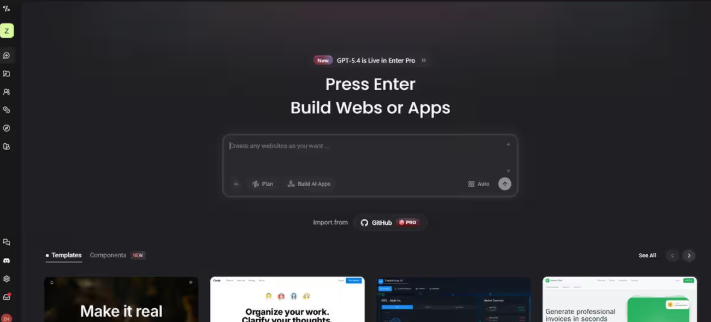

Childcare settings are not generic service businesses and their websites should not look like ones. The warmth, the intentionality, the specific educational philosophy whether that is Montessori, Forest School, Reggio Emilia, or a setting’s own distinct approach, needs to come through in every design decision from the color palette to the typography to the way content is organized and written.
Before committing to any platform, working through a solid comparison of the best website maker options with a values-led, community-facing childcare business in mind will highlight which builders give enough creative flexibility to reflect a setting’s specific character rather than forcing it into a generic professional template. The platform that works for an accountancy firm or a tech startup is rarely the right fit for a nursery whose entire appeal is rooted in warmth, personality, and a distinctive approach to early childhood.
Introducing Your Team Before Parents Walk Through the Door
Staff introductions are one of the most underused trust-building tools on childcare websites. Parents are not just entrusting their child to a setting. They are entrusting their child to specific people and the more they know about those people before the first visit, the safer that entrusting feels.
A team page that goes beyond names and job titles to give a genuine sense of who each person is, what drew them to working with young children, what they love about their role, what their particular skills or interests bring to the setting, does something quietly powerful. It makes the staff feel like real people rather than credentials on a regulatory document.
This matters especially during the settling-in period, which is anxious for most parents and many children. A parent who has already read about their child’s key person, seen their face, and formed even a preliminary sense of who they are, arrives at the first session with meaningfully less anxiety than one meeting a stranger for the first time.
Managing Your Waitlist in a Way That Keeps Families Warm
High-quality childcare settings almost always have demand that exceeds their capacity and the waitlist is therefore one of the most important relationships they manage. Most settings handle it poorly, collecting names and contact details and then going silent until a space becomes available, sometimes months or years later.
The families on your waitlist chose you specifically. They are waiting, sometimes for a very long time, and during that wait their confidence in that choice is vulnerable to erosion. Another setting opens nearby. A friend recommends somewhere else. Life circumstances change. The family who was committed eighteen months ago is less certain when the call finally comes.
A website with a dedicated section for waiting families, regular updates about life in the setting, early introductions to the team and the environment, and clear communication about how the waitlist works and what to expect, maintains the relationship during the gap between registration and availability. Enter Pro makes building and maintaining this kind of ongoing communication with a specific audience straightforward without requiring a separate platform or technical setup.
Regulatory Credibility Without Leading With Compliance
Ofsted ratings, staff qualification levels, child to adult ratios, safeguarding policies. These are things parents need to know and they absolutely belong on your website. But leading with them, making compliance the first thing a visitor encounters, sets a tone that feels institutional rather than warm and that works against the emotional connection a childcare website needs to build.
The most effective approach is to earn the emotional trust first and then support it with the regulatory evidence. A parent who already feels that your setting is warm, caring, and well run will read your Ofsted report as confirmation of something they already believed. A parent who encounters the compliance information first has not yet formed the emotional connection that makes that information meaningful.
Structure your website so that the feeling comes before the evidence and the evidence then does the work of cementing rather than creating the confidence you need parents to feel.
Conclusion
Parents choosing childcare are making one of the most consequential decisions of their parenting lives and they are making it largely based on what they find online before they ever visit in person. A website that shows the real life of your setting, introduces the real people who work there, communicates the values that guide everything you do, and handles the practical information in a way that supports rather than replaces the emotional work of trust-building is not just good marketing. For the parent sitting at home at eleven at night trying to figure out where their child will be safe and happy, it is the difference between a phone call tomorrow morning and a quiet click to the next option on the list.