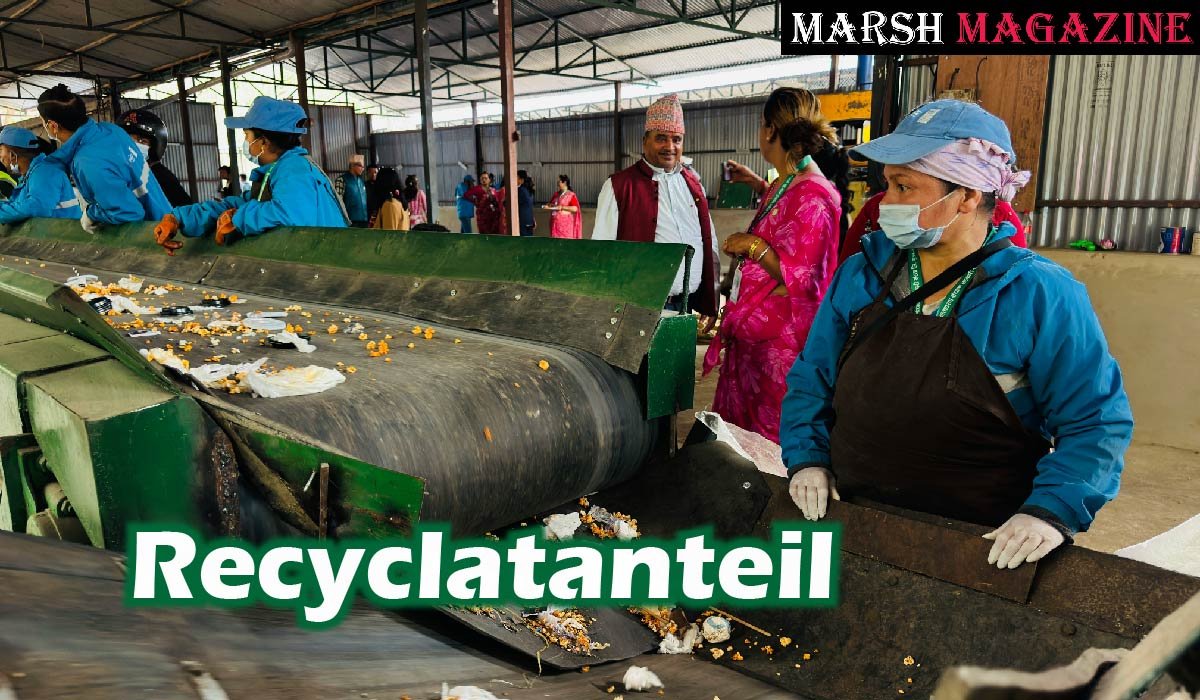
Most people think recycling alone is enough to protect the planet. However, that belief is incomplete in today’s world. The real solution goes beyond collecting waste and processing it. This is where Recyclatanteil becomes important. It may sound complex, yet the idea remains simple and powerful. It shows how much recycled content is actually used in new products. At the same time, it connects directly to sustainability and the circular economy. In 2026, this topic is trending due to stricter EU regulations and climate concerns. Companies now face pressure to reduce waste and reuse materials. Therefore, understanding recyclatanteil meaning is essential. This guide explains everything clearly, step by step.
What Is Recyclatanteil?
Recyclatanteil describes the percentage of recycled material used in a product. In simple terms, it shows how much material gets reused instead of replaced. For example, imagine a plastic bottle made from mixed materials. If 40 percent comes from recycled plastic, then that becomes its recyclatanteil. The remaining portion comes from new raw materials. This concept highlights the difference between recycling and actual reuse. Many industries rely on this sustainability metric to track progress. It also helps measure how well materials stay in circulation. Therefore, recyclatanteil plays a key role in material reuse strategies.
Recyclatanteil vs Recycling Rate
Many people confuse recyclatanteil with recycling rate, but they differ greatly. Recycling rate measures how much waste gets collected and processed. In contrast, recyclatanteil measures how much recycled material enters new products. A country can recycle large amounts of waste. However, it may still show low recyclatanteil if industries avoid recycled inputs. This gap creates inefficiency in the system. Therefore, both metrics must work together for real sustainability.
| Metric |
Meaning |
| Recycling Rate |
Waste collected and processed |
| Recyclatanteil |
Recycled material reused in products |
This comparison shows why recyclatanteil matters more in real impact.
Why Recyclatanteil Matters
Recyclatanteil supports several important environmental and economic goals. First, it helps conserve natural resources. Industries rely less on raw materials like oil and metals. Second, it supports climate protection by lowering energy use. Producing recycled materials often requires less energy. Third, it strengthens the circular economy. Materials stay in use instead of becoming waste. Finally, it transforms markets by creating demand for recyclates. This demand drives innovation and better recycling systems. Therefore, recyclatanteil plays a central role in sustainability progress.
How Recyclatanteil Works in Real Life
Recyclatanteil works through practical material cycles. Consider a plastic bottle example. Consumers use and dispose of the bottle after use. Recycling systems collect and process that waste. Then, manufacturers turn it into new material. This material becomes PCR, also known as post-consumer recycled plastic. In addition, factories use post-industrial waste from production leftovers. Both sources contribute to recyclatanteil. As companies increase recycled inputs, they reduce waste and resource use. Therefore, this process supports efficient material circulation.
Recyclatanteil in Packaging
Packaging remains one of the most important areas for recyclatanteil growth. Many companies now use recycled content packaging in daily products. PET bottles often contain rPET, which is recycled plastic. Labels often show claims like “made with 50% recycled material.” These claims reflect real improvements in packaging design. At the same time, packaging lifecycle management improves sustainability. Companies design packaging for reuse and recycling. Therefore, recyclatanteil continues to grow in this sector.
Recyclatanteil in Plastics Industry
The plastics industry faces both opportunity and challenge in this area. Recycled plastics often differ from virgin materials in quality. Contamination can affect strength, color, and durability. Supply shortages also limit availability of high-grade recyclates. Food-grade plastic faces strict safety requirements. These rules restrict how recycled materials can be used. Despite these challenges, demand continues to rise. Therefore, innovation in recycling technology becomes essential.
EU Regulations and Legal Framework
European regulations strongly influence recyclatanteil adoption. The Packaging and Packaging Waste Regulation sets strict guidelines. It aims to improve recyclability and increase recycled content. The Single-Use Plastics Directive also sets clear targets. PET bottles must include 25 percent recycled content by 2025. By 2030, this target increases to 30 percent. These laws push companies toward sustainable production. Therefore, recyclatanteil becomes both a legal and environmental requirement.
How Recyclatanteil Is Measured
Recyclatanteil is measured as a percentage of total material input. Companies calculate the share of recycled material used. This can apply at product, company, or industry level. Accurate measurement requires clear data and tracking systems. Certification ensures that claims remain reliable. Without verification, companies risk misleading information. Therefore, measurement plays a key role in trust and compliance.
Certification and Compliance
Certification systems ensure that recyclatanteil claims remain accurate. Companies must provide proof of recycled material sources. This includes supplier documentation and traceability records. Quality reports and compliance documents support these claims. Certification also reduces greenwashing risks. Consumers and regulators rely on verified data. Therefore, strong compliance systems build credibility and trust.
Also Read : Poieno Explained: Meaning, Origin & Creative Philosophy
Challenges in Increasing Recyclatanteil
Several challenges slow the growth of recyclatanteil. First, quality issues limit recycled material use. Recyclates may not match virgin material performance. Second, cost differences create barriers. Virgin materials sometimes cost less than recycled alternatives. Third, technology limits recycling efficiency. Some materials degrade after repeated use. Finally, global regulations differ across regions. These differences create complexity for international companies. Therefore, solving these challenges requires innovation and policy support.
How to Increase Recyclatanteil
Increasing It requires a strategic approach. Eco-design helps create products that support recycling. Companies must simplify material use and improve compatibility. Governments also support change through regulations and incentives. Advanced recycling technologies improve material quality. At the same time, better waste collection systems increase supply. Collaboration across industries strengthens the entire system. Therefore, combined efforts drive real progress.
Recyclatanteil Beyond Plastics
Recyclatanteil extends beyond plastics into many industries. Construction uses recycled steel and concrete materials. Automotive manufacturing includes recycled metals in vehicles. Textile industries create fabrics from recycled fibers. Electronics reuse valuable materials from old devices. Each sector applies the same principle of reuse. Therefore, recyclatanteil supports sustainability across industries.
Consumer Awareness and Role
Consumers play an important role in increasing It. Many products now display recycled content labels. These labels help buyers make informed decisions. Choosing such products supports sustainable production. Proper waste sorting also improves recycling quality. Clean and separated waste increases reuse potential. Therefore, consumer behavior directly influences It growth.
Future of Recyclatanteil
The future of It looks strong and promising. Digital product passports will track material origins. AI systems will improve recycling efficiency and accuracy. Governments will introduce stricter sustainability laws. Global markets will adopt similar standards over time. Companies will integrate It into core strategies. Therefore, this concept will become a standard part of production systems.
Conclusion
It represents a key step toward a circular economy. It shows how effectively materials return into production cycles. Unlike recycling alone, it focuses on actual reuse. This approach reduces waste and protects resources. As regulations tighten, its importance will continue to grow. Companies and consumers must work together to increase it. Therefore, It will shape the future of sustainable production.
FAQs
What does recyclatanteil mean?
It means the percentage of recycled material used in a product. It shows how much waste is reused instead of new resources.
Why is recyclatanteil important?
It reduces waste, saves resources, and supports climate protection. It also strengthens the circular economy system.
How is It calculated?
It is calculated as a percentage of recycled material in total product weight. Accurate data ensures reliable results.
What is PCR material?
PCR stands for post-consumer recycled material. It comes from waste collected after consumer use.
Is It required by law?
Yes, in some regions like the EU, regulations require minimum recycled content in certain products.
Visit For More Info : Marsh Magazine