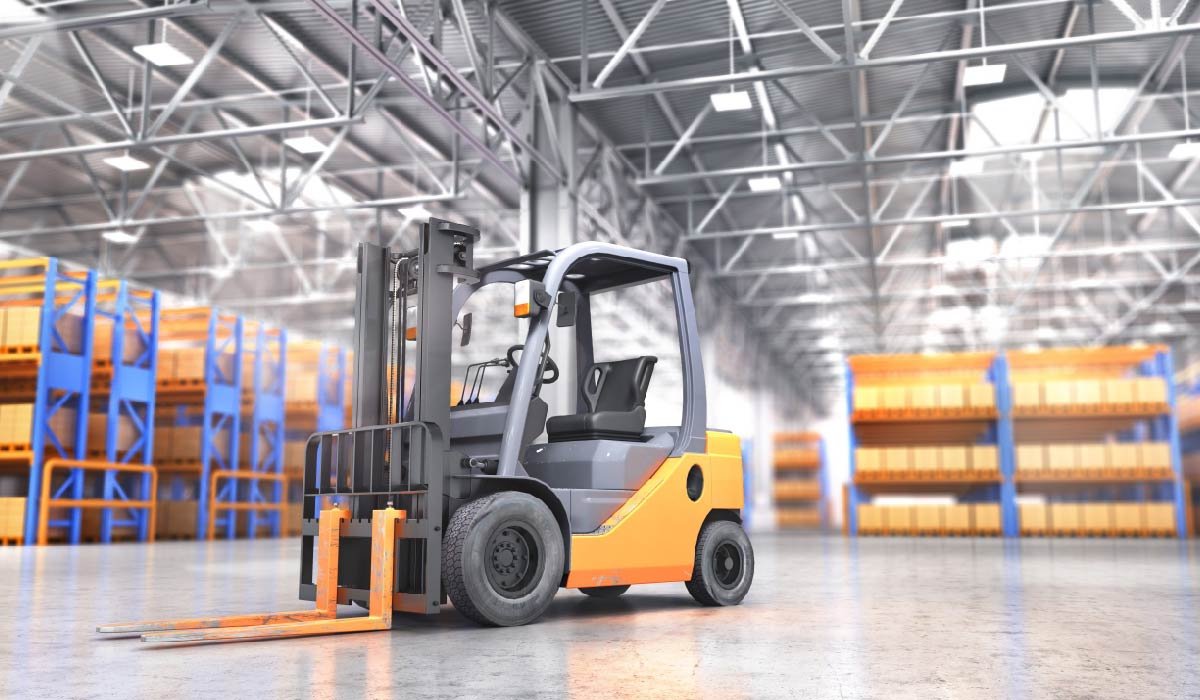
The material handling industry has experienced remarkable growth over the past few decades, and forklifts have become one of the most important machines in warehouses, factories, distribution centers, and construction environments. These powerful machines are responsible for lifting, transporting, and organizing heavy materials efficiently, helping businesses improve productivity while reducing manual labor. However, the performance and longevity of any forklift depend heavily on the quality and condition of its individual components. Every machine, regardless of brand or size, relies on properly functioning parts to operate safely and efficiently in demanding working conditions.
Understanding forklift components is not only important for technicians and operators but also for business owners who want to maximize operational efficiency and minimize downtime. Forklifts work in harsh environments where constant lifting, turning, and carrying heavy loads place tremendous stress on different systems. Because of this, maintenance and timely replacement of worn-out components are essential for ensuring smooth performance. Businesses that ignore maintenance often face expensive repairs, reduced efficiency, and workplace safety hazards that can affect overall productivity.
One of the most important aspects of warehouse management involves understanding the significance of forklift parts used in maintaining operational continuity. Properly selected and maintained components improve equipment lifespan, reduce fuel or energy consumption, and help companies avoid unexpected breakdowns. As industries continue to expand and automation increases, the demand for durable and high-performing forklift components has become more critical than ever before.
Understanding the Basic Structure of Forklift Equipment
Forklifts consist of several interconnected systems that work together to lift and transport materials safely. Each section of the machine plays a specific role, and even a minor issue in one component can affect overall performance. The primary sections include the mast, carriage, forks, hydraulic system, engine or battery, tires, brakes, and steering assembly. These components must function together seamlessly for the machine to perform effectively.
The mast is the vertical structure responsible for raising and lowering loads. It operates through hydraulic cylinders and chains that provide controlled movement during lifting operations. A damaged or poorly maintained mast can create instability, making operations unsafe for workers and nearby equipment. Forks are another critical element because they directly support the load being transported. Bent or cracked forks can lead to accidents and should always be inspected regularly.
Hydraulic systems are considered the heart of forklift lifting operations. These systems use pressurized fluid to create lifting force, enabling operators to handle extremely heavy materials with precision. Any leak or malfunction in the hydraulic system can significantly reduce lifting capacity and operational safety. Similarly, tires contribute to machine stability and traction. Different tire types are designed for indoor and outdoor applications, and selecting the wrong tire can negatively impact performance and increase wear.Modern forklifts also include sophisticated electronic systems that monitor operational efficiency and safety. Sensors, control modules, and onboard diagnostics help identify problems before they become serious failures. Businesses that invest in high-quality components and preventive maintenance often experience lower operational costs and improved workplace safety over time.
Why High-Quality Components Matter
The quality of forklift components directly influences equipment reliability, operator safety, and maintenance expenses. Low-quality or counterfeit parts may appear cost-effective initially, but they often wear out quickly and can damage other systems within the machine. Investing in premium components ensures smoother operation and reduces the frequency of repairs.
High-quality parts are manufactured according to strict engineering standards, ensuring compatibility and durability. They are designed to withstand heavy loads, continuous vibration, and demanding work cycles commonly found in industrial environments. Reliable components also improve fuel efficiency and battery performance, helping businesses reduce operational costs in the long run.
Safety is another major reason why quality matters. Forklifts operate around workers, inventory, and expensive infrastructure. A single component failure can lead to severe accidents, injuries, or property damage. For example, defective brakes or steering systems can create dangerous situations that compromise workplace safety. By using dependable parts and following routine maintenance schedules, companies can significantly reduce these risks.
Another advantage of premium components is reduced downtime. Every minute a forklift remains out of service can disrupt warehouse operations and delay production schedules. Reliable parts help machines operate consistently, allowing businesses to maintain workflow efficiency without unexpected interruptions. This is especially important in industries that depend on strict delivery timelines and high-volume inventory management.
Businesses that understand forklift parts use often achieve better productivity because their equipment remains operational for longer periods. Instead of constantly dealing with repairs, they can focus on improving logistics, inventory handling, and customer satisfaction. Proper maintenance combined with quality parts creates a more stable and cost-effective operation overall.
Common Forklift Parts That Require Regular Attention
Forklifts are subjected to continuous wear and tear, making regular inspections essential for maintaining optimal performance. Certain parts experience higher stress levels than others and therefore require more frequent monitoring and replacement. Understanding these components helps operators and managers identify potential problems before they escalate.
Forks are among the most heavily used parts of any forklift. Since they bear the entire load during lifting and transportation, they gradually weaken over time. Cracks, bending, or uneven wear can reduce lifting stability and create dangerous conditions. Regular inspections ensure that damaged forks are replaced before they fail.
Hydraulic hoses and seals are also vulnerable to wear because they handle high-pressure fluid movement. Leaking hydraulic systems not only reduce lifting efficiency but can also create environmental and safety hazards. Replacing worn hoses and maintaining fluid levels are crucial for smooth operation.
Tires require consistent attention as well. Worn tires reduce traction and stability, increasing the likelihood of accidents. Cushion tires are commonly used indoors, while pneumatic tires are suitable for rough outdoor surfaces. Proper tire selection and maintenance improve machine handling and operator safety.
Brakes and steering systems must remain in excellent condition at all times. Forklifts frequently operate in crowded environments where precise control is necessary. Faulty brakes or steering mechanisms can result in collisions and material damage. Regular servicing ensures reliable performance and prevents costly incidents.Batteries and charging systems are equally important for electric forklifts. Poor battery maintenance can reduce operating hours and shorten battery lifespan. Keeping batteries clean, properly charged, and adequately watered helps maintain efficiency and reduces replacement costs.
The Importance of Preventive Maintenance
Preventive maintenance is one of the most effective strategies for extending forklift lifespan and reducing operational expenses. Instead of waiting for a machine to fail, preventive maintenance focuses on identifying and resolving minor issues before they become serious problems. This proactive approach saves businesses significant amounts of money over time.
Routine inspections allow technicians to detect worn parts, fluid leaks, and performance irregularities early. Addressing these issues promptly prevents secondary damage to other systems. For example, replacing a damaged hydraulic hose before it bursts can prevent contamination and avoid costly repairs to hydraulic pumps and cylinders.
Scheduled maintenance also improves workplace safety. Forklifts that receive consistent servicing are less likely to experience sudden failures during operation. This protects operators, nearby workers, and valuable inventory from accidents caused by equipment malfunction.
Another benefit of preventive maintenance is improved equipment efficiency. Proper lubrication, tire pressure adjustments, and timely component replacement help forklifts operate smoothly while reducing energy consumption. Efficient machines require less effort to perform lifting tasks, which can significantly lower fuel and electricity costs over time.Businesses that prioritize forklift parts use as part of their maintenance strategy often achieve greater reliability and longer equipment lifespan. Consistent maintenance not only protects the machine but also improves overall warehouse productivity by reducing unexpected downtime and repair delays.
Choosing Between OEM and Aftermarket Components
When replacing forklift components, businesses often face the decision between original equipment manufacturer (OEM) parts and aftermarket alternatives. Both options have advantages and disadvantages, depending on budget, performance expectations, and operational requirements.
OEM parts are manufactured by the same company that produced the forklift. These components are specifically designed for compatibility and reliability, ensuring precise fit and performance. OEM parts usually undergo extensive testing and quality control processes, making them a dependable choice for businesses prioritizing long-term reliability.
Aftermarket components, on the other hand, are produced by third-party manufacturers. They are often less expensive than OEM parts and may provide acceptable performance for certain applications. However, quality can vary significantly between manufacturers. Some aftermarket components match OEM standards, while others may wear out quickly or fail prematurely.
Cost is one of the primary reasons businesses consider aftermarket options. Smaller companies with limited budgets may choose these components to reduce maintenance expenses. However, it is important to purchase aftermarket parts from reputable suppliers to avoid compromising safety and machine performance.The choice between OEM and aftermarket parts ultimately depends on operational priorities. Businesses operating in demanding environments with heavy workloads often benefit from OEM reliability, while lighter operations may find quality aftermarket components sufficient for their needs.
The Growing Impact of Technology on Forklift Components
Technology has transformed the material handling industry by introducing smarter and more efficient forklift systems. Modern forklifts now feature advanced electronics, automation capabilities, and diagnostic systems that improve operational efficiency and safety.
Telematics systems are increasingly common in modern forklift fleets. These systems collect data related to machine performance, operator behavior, maintenance schedules, and fuel consumption. Fleet managers can use this information to optimize operations and reduce unnecessary wear on equipment.
Electric forklifts have also gained popularity due to environmental concerns and rising fuel costs. Advances in lithium-ion battery technology have significantly improved charging speed, operational efficiency, and battery lifespan. Electric forklifts produce fewer emissions and require less maintenance compared to internal combustion models.
Automation is another major trend shaping the future of forklift technology. Automated guided forklifts can navigate warehouses with minimal human intervention, improving efficiency and reducing labor costs. These systems rely heavily on sensors, cameras, and advanced control software to perform precise movements safely.As technology continues to evolve, the demand for specialized forklift components will increase. Businesses that stay updated with technological advancements can improve operational performance while reducing long-term maintenance expenses.
How Proper Training Supports Equipment Longevity
Even the best forklift components can fail prematurely if operators lack proper training. Operator behavior significantly affects machine wear, fuel consumption, and overall equipment lifespan. Training programs help workers understand safe operating practices while reducing unnecessary stress on forklift systems.
Improper loading techniques, sudden braking, and aggressive turning place excessive strain on tires, brakes, and hydraulic systems. Overloading forklifts can damage the mast, forks, and lifting mechanisms, leading to expensive repairs and dangerous working conditions. Proper training teaches operators how to handle loads safely while minimizing equipment wear.
Routine inspection training is equally important. Operators should know how to identify leaks, worn tires, damaged forks, and unusual noises before beginning work. Early detection allows maintenance teams to address problems quickly and avoid major failures.
Businesses that invest in training often experience fewer accidents, lower maintenance costs, and improved productivity. Skilled operators contribute to longer equipment lifespan by using machines responsibly and following maintenance guidelines consistently.
A strong understanding of forklift parts in Garner,NC use among operators and maintenance staff creates a more efficient and safer working environment. When employees recognize the importance of each component, they become more proactive in preventing damage and reporting issues early.
Building a Reliable Maintenance Strategy
Developing an organized maintenance strategy is essential for maximizing forklift performance and minimizing unexpected downtime. Successful maintenance programs combine regular inspections, quality components, proper training, and accurate record keeping.
Maintenance schedules should be based on operating hours, workload intensity, and manufacturer recommendations. High-use forklifts may require more frequent inspections than machines used occasionally. Tracking maintenance history helps businesses identify recurring issues and make informed repair decisions.
Inventory management is another important aspect of maintenance planning. Keeping essential spare parts readily available reduces repair delays and prevents operational disruptions. Components such as filters, hoses, tires, and brake pads should always be stocked for quick replacement when needed.
Working with experienced technicians also improves maintenance quality. Skilled professionals understand forklift systems thoroughly and can diagnose problems accurately. Regular servicing by qualified technicians ensures that repairs are completed correctly and according to safety standards.
A well-structured maintenance strategy not only protects equipment investment but also enhances workplace productivity and safety. Businesses that prioritize equipment care often gain a competitive advantage through improved operational reliability and reduced long-term costs.
Conclusion
Forklifts play a critical role in modern industrial operations, supporting efficient material handling across warehouses, factories, and distribution centers. However, the performance and reliability of these machines depend entirely on the condition and quality of their components. Every system, from hydraulic assemblies to tires and electronic controls, contributes to safe and efficient operation.
Understanding the importance of maintenance, operator training, and high-quality components helps businesses reduce downtime and maximize equipment lifespan. Investing in reliable parts may require higher initial costs, but the long-term benefits far outweigh the expense. Reduced repairs, improved safety, better fuel efficiency, and consistent productivity all contribute to stronger operational performance.
As technology continues to reshape the material handling industry, forklifts are becoming smarter, more efficient, and increasingly automated. Businesses that adapt to these advancements while maintaining strong maintenance practices will remain competitive in an evolving industrial landscape.
Ultimately, successful forklift operation depends on a balanced approach that combines quality equipment, skilled operators, preventive maintenance, and a clear understanding of operational requirements. By prioritizing equipment care and investing in dependable components, companies can ensure long-term efficiency, safety, and profitability in their daily operations.