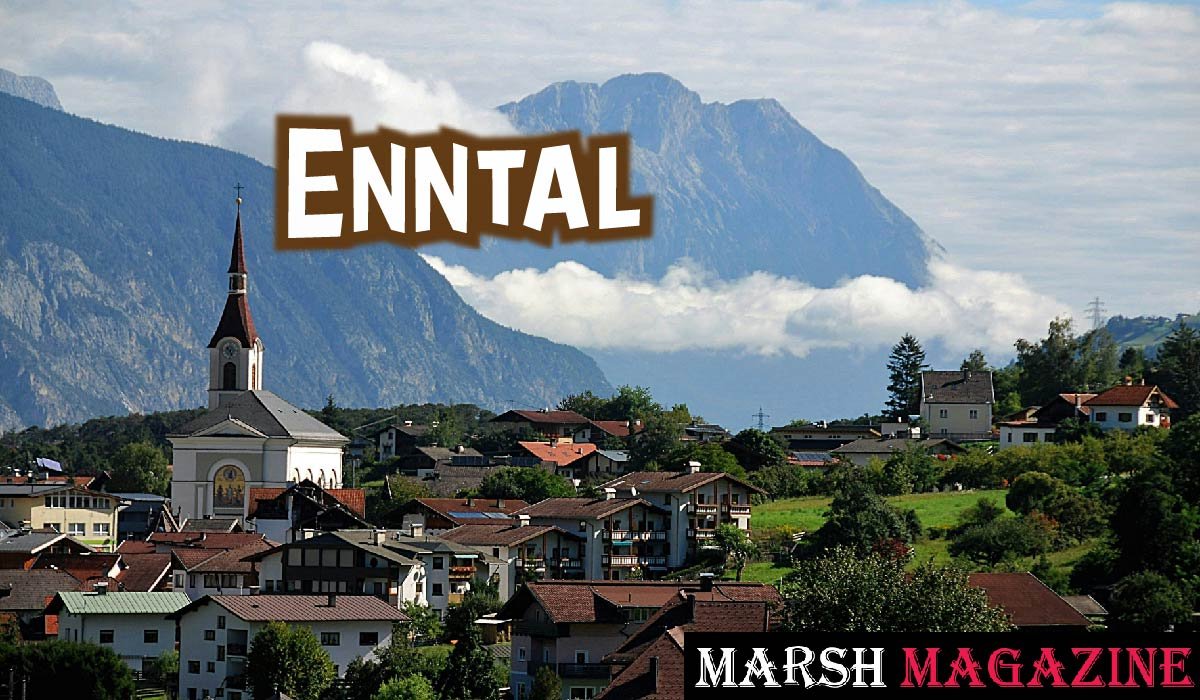
Enntal is a major alpine valley in Austria formed by the Enns River, stretching across Styria and Upper Austria and surrounded by dramatic limestone mountain ranges. The valley follows the powerful course of the Enns River, which carves through deep gorges and open meadows before joining the Danube. Because of this strategic location, Enntal serves as a natural corridor through the Eastern Alps. Towering peaks, fertile valley floors, and glacier-shaped landscapes define the region. Moreover, the Dachstein massif rises prominently to the south, while the rugged Gesäuse mountains shape the northern skyline.
Where Is Enntal Located?
Enntal lies in central Austria and stretches across the federal states of Styria and Upper Austria. The valley follows the Enns River, which begins in the Radstadt Tauern mountains and flows eastward until it meets the Danube. Because of this eastward flow, the valley forms a long alpine corridor that connects mountain regions with lower Austrian plains. To the south, the Dachstein massif dominates the horizon with glacier-covered peaks. To the north, the dramatic limestone formations of the Gesäuse mountains create steep ridges and narrow gorges. Additionally, Gesäuse National Park protects a significant section of the valley’s rugged terrain. This central position allows easy access from cities such as Graz and Salzburg while preserving a strong sense of remoteness.
Geographic and Geological Formation of Enntal
The Enns River plays a central role in shaping Enntal. It originates in the Radstadt Tauern range and gathers strength as tributaries join its flow. Over time, the river carved deep gorges and sculpted broad valley floors. Ice Age glaciers further influenced the terrain. Massive ice sheets compressed rock layers and widened the valley basin. When glaciers retreated, they left behind limestone formations and alpine erosion patterns that remain visible today.
The surrounding mountain ranges enhance geological drama. The Dachstein massif features glacier fields and karst landscapes. Meanwhile, the Gesäuse mountains showcase steep limestone cliffs and narrow river passages. These formations belong to the Northern Limestone Alps, which define much of Austria’s alpine identity.
The climate follows alpine patterns. Winters bring consistent snowfall at higher elevations. Summers remain mild and pleasant. Seasonal contrast supports varied vegetation zones and wildlife habitats throughout the valley.
Natural Attractions in Enntal
Nature defines Enntal’s identity. Gesäuse National Park, Austria’s youngest national park, protects steep rock faces and dynamic river landscapes. Biodiversity flourishes within its boundaries. Alpine meadows bloom in summer, while forests shelter rare species. The park offers marked trails and guided tours for visitors who respect conservation rules.
The Dachstein glacier region attracts year-round explorers. Glacier viewpoints reveal sweeping alpine panoramas. Ice caves within the massif display impressive frozen formations. High-altitude platforms provide dramatic perspectives across multiple provinces.
Rivers, lakes, and waterfalls enrich the valley. The Enns River supports rafting during peak water seasons. Clear alpine lakes invite quiet reflection and photography. Wildlife thrives across habitats. Ibex climb rocky slopes confidently. Golden eagles soar above open skies. Alpine wildflowers add seasonal color to mountain paths.
Historical and Cultural Heritage of Enntal
Human settlement in Enntal dates back to Roman times. Ancient trade routes passed through the valley because of its strategic corridor position. Medieval merchants and pilgrims traveled along river paths connecting alpine regions. Monasteries later shaped spiritual and educational life. Religious institutions preserved art, manuscripts, and community traditions.
Traditional alpine architecture reflects practicality and aesthetic charm. Wooden farmhouses feature sloped roofs and decorated balconies. Stone churches anchor village centers. Seasonal festivals celebrate music, costume, and craftsmanship. Cultural identity remains deeply rooted in agricultural rhythms. Local communities maintain strong ties to heritage while welcoming visitors respectfully.
Also Read :
Pellela: Meaning, Origin, Village & Branding Guide
Outdoor Activities and Tourism in Enntal
Outdoor adventure thrives across Enntal. Hiking trails range from gentle valley walks to demanding alpine ascents. Panoramic routes near the Dachstein region reward climbers with sweeping views. Clear trail markings support safe exploration.
Cycling enthusiasts enjoy the Enns Cycle Path. This family-friendly route follows the river and connects several towns. Long-distance riders appreciate the gradual terrain. Rafting on the Enns River provides controlled excitement during higher water periods.
Winter transforms the region completely. Ski slopes in the Dachstein area combine modern facilities with natural scenery. Snowshoe trails guide visitors through quiet forests. Cross-country skiing routes stretch across open snowfields. Each season introduces new ways to engage with the landscape.
Best Time to Visit Enntal
Spring brings melting snow and blooming meadows. River levels rise, creating ideal conditions for rafting. Summer offers mild temperatures and extended daylight hours. Hiking and cycling reach peak popularity during this season.
Autumn introduces golden forests and crisp air. Photography and quiet travel become especially rewarding. Harvest festivals highlight agricultural traditions. Winter covers the valley in snow. Skiing, snowshoeing, and winter hiking dominate activities. Each season offers distinct charm and climate variation.
Local Cuisine and Agricultural Traditions
Agriculture shapes daily life in Enntal. Dairy farming thrives on alpine meadows during warmer months. Farmers produce regional cheese using traditional methods. Fresh bread, cured meats, and hearty stews reflect mountain living.
Farm-to-table culture strengthens community bonds. Restaurants prioritize local sourcing and seasonal ingredients. Culinary traditions emphasize simplicity and quality. Visitors experience authentic flavors rooted in centuries of adaptation.
Living in Enntal – Quality of Life
Small communities define the valley. Residents enjoy clean air and low population density. Education and healthcare services remain accessible within regional centers. Public transport links towns efficiently. Outdoor recreation supports active lifestyles year-round. Community events foster social cohesion and shared identity.
Sustainability and Environmental Protection
Conservation efforts protect fragile ecosystems within national parks. Eco-tourism initiatives promote responsible travel practices. Renewable energy projects reduce environmental impact. Local authorities monitor climate trends carefully. Sustainable planning ensures balanced growth without sacrificing biodiversity.
Enntal vs Other Austrian Valleys
Compared to Zillertal or Inn Valley, Enntal experiences fewer tourist crowds. Commercial development remains moderate. Authentic village culture persists strongly. Accessibility remains convenient through rail and road networks. This balance attracts travelers seeking quieter alpine experiences.
Accessibility and Transportation
Rail lines connect the valley with Graz and Salzburg efficiently. Well-maintained roads allow scenic car travel. Cycling infrastructure supports eco-friendly exploration. Public transport reduces reliance on private vehicles. Accessibility strengthens tourism while preserving tranquility.
Why Enntal Remains One of Austria’s Most Authentic Regions
Enntal avoids heavy commercialization seen in larger resorts. Local identity guides development decisions. Natural preservation remains priority. Balanced tourism protects environmental integrity. Visitors experience genuine alpine culture without excessive crowds.
Conclusion
Enntal combines dramatic geography with enduring cultural heritage. The Enns River shapes its landscape continuously. Mountain ranges frame its identity. National parks protect biodiversity. Tourism thrives responsibly. Communities preserve tradition while embracing sustainable progress.
Visitors encounter both adventure and calmness within the same valley. Each season reveals new character. Authenticity defines every experience. Enntal is not simply a valley — it is a living alpine landscape shaped by water, stone, and centuries of human resilience.
Frequently Asked Questions
Where is Enntal located?
Enntal lies in central Austria across Styria and Upper Austria.
What is Enntal known for?
It is known for alpine scenery, national parks, and outdoor adventure.
Is Enntal good for hiking?
Yes, it offers trails for beginners and experienced climbers.
What national park is in Enntal?
Gesäuse National Park protects part of the valley.
When is the best time to visit?
Summer suits hiking, while winter suits skiing and snow activities.
Visit For More Info : Marsh Magazine