Beauty standards shift across cultures, yet symmetry always attracts attention. Facial harmony shapes how people perceive attractiveness in both classical art and modern society. Among many nose shapes, the greek nose continues to stand out as one of the most admired forms. This nose shape appears in ancient sculptures and modern facial analysis alike. Its clean, straight profile creates a balanced and refined appearance that many people associate with elegance. The greek nose reflects proportion, simplicity, and visual clarity, which explains its lasting popularity. Many individuals search for ways to understand or achieve this look. In this guide, you will explore its meaning, features, cultural importance, and modern cosmetic relevance in a clear and practical way.
What Is a Greek Nose?
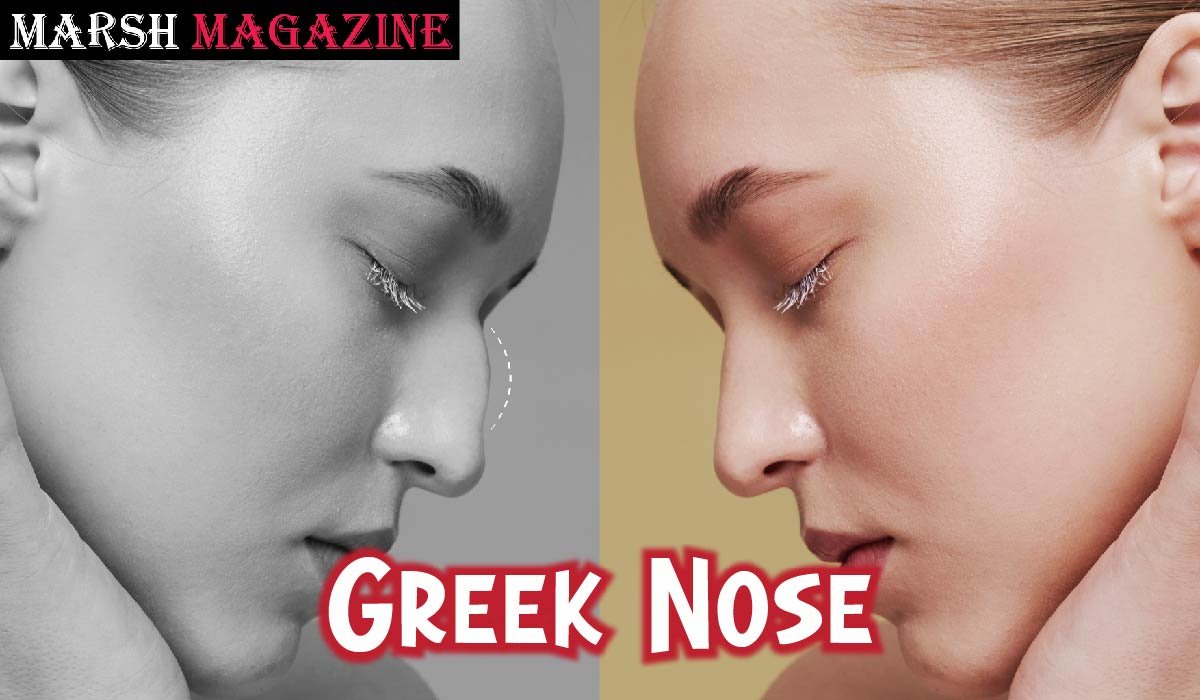
A greek nose refers to a nose shape with a straight bridge that runs smoothly from the forehead to the tip. This structure shows no visible hump, curve, or indentation along the nasal line. The alignment of bone and cartilage creates a continuous, balanced profile. This shape often blends naturally with other facial features, which enhances overall symmetry. Many experts consider it a classic example of proportion in facial aesthetics. The definition remains simple, yet the impact appears strong in both visual and cultural contexts. Because of its structure, the greek nose often becomes a reference point in beauty discussions.
Greek Nose Meaning in Simple Terms
In simple words, the greek nose meaning describes a straight and smooth nose shape that looks balanced from every angle. The term does not only refer to people from Greece. Instead, it represents an aesthetic concept that artists and scientists have admired for centuries. When people ask “what is greek nose,” they usually refer to this ideal of symmetry and proportion. The straight line of the bridge creates a calm and harmonious look. This simplicity makes it easy to recognize and widely appreciated across different cultures. Many people value this shape because it fits naturally with various face types.
Key Features of a Greek Nose
It has several defining characteristics that make it unique and easy to identify. First, the nasal bridge remains straight without any hump or dip. Second, the profile looks smooth and continuous from the forehead to the tip. Third, the proportions appear balanced with the rest of the face. Fourth, the tip remains defined yet subtle, avoiding extreme sharpness or roundness. Fifth, the overall alignment creates a symmetrical nose shape that enhances facial harmony. These features combine to form what many describe as a straight nose profile. Because of this structure, It often appears refined and naturally elegant.
Greek Nose vs Roman Nose
The comparison between It and the Roman nose helps clarify their differences. The Greek version shows a straight and smooth bridge, while the Roman nose features a noticeable curve or hump. The Greek profile appears softer and more balanced, whereas the Roman shape looks stronger and more pronounced. This contrast highlights how small structural differences can change overall facial perception. When people search for “roman vs greek nose,” they usually want to understand these visual distinctions. Both shapes hold cultural significance, yet they create very different aesthetic impressions.
Greek Nose vs Aquiline Nose
The aquiline nose often shows a curved or hooked bridge that slopes downward. In contrast, the greek nose maintains a straight and even line. This difference affects how the face appears in profile view. The aquiline shape may look more dramatic, while the Greek shape appears calm and balanced. This comparison helps people understand how structure influences perception. Even small curves can change the overall character of the face.
Is a Greek Nose Attractive?
Many people ask, “is greek nose attractive,” and the answer often depends on cultural perspective. However, symmetry and proportion usually influence beauty standards worldwide. The greek nose aligns closely with these principles, which explains its strong reputation. It often matches concepts like the golden ratio in facial analysis. Still, modern beauty trends now celebrate diversity and individuality more than strict ideals. While the greek nose remains attractive, people increasingly value unique features. This shift shows that beauty cannot fit into a single definition.
Greek Nose Female vs Male
It appears slightly different in women and men due to natural facial variations. In women, the nose often looks softer and narrower, with a gentle and refined appearance. This version blends smoothly with delicate facial features. In men, the structure tends to appear stronger and more defined. The straight bridge remains, but the overall look feels more prominent. These differences do not change the core structure but influence how the nose complements each face. Both versions maintain balance and symmetry.
Greek Nose Personality Myths
Some people believe that a greek nose reflects personality traits such as intelligence or confidence. These ideas come from historical beliefs and cultural symbolism rather than scientific evidence. While the shape may create a strong visual impression, it does not determine character. People often associate balanced features with positive qualities, which explains these assumptions. However, personality depends on many factors beyond physical appearance.
How Rare Is it?
It is considered moderately rare because it requires specific genetic traits. The straight bridge and balanced proportions do not appear in every population. However, the shape exists across different regions and ethnic groups. Many people may have similar features without fitting the exact definition. The perception of rarity often increases its appeal. Still, it remains more common than many assume.
Greek Nose in Different Ethnicities
It appears in various ethnic backgrounds, especially in Mediterranean and Middle Eastern populations. However, it can also occur in people from other regions. The exact features may vary slightly depending on genetics and environment. Some versions may have a wider base or a more defined tip. Despite these differences, the straight bridge remains the defining element. This shows that the greek nose ethnicity concept focuses more on structure than origin.
Historical Significance of the Greek Nose
Ancient Greek artists often sculpted statues with straight and symmetrical noses. These works represented ideals of perfection, balance, and harmony. Gods, athletes, and philosophers appeared with this refined profile. This artistic choice shaped how people viewed beauty for centuries. It became a symbol of rationality and elegance in classical culture. Even today, these influences remain visible in modern aesthetics.
Greek Nose in Modern Beauty Standards
Modern beauty standards still value symmetry, yet they also embrace diversity. The greek nose continues to represent a timeless aesthetic, especially in media and cosmetic discussions. Social platforms often highlight facial harmony, which keeps this shape relevant. However, people now seek balance rather than perfection. This shift allows different nose shapes to gain appreciation alongside the Greek profile.
Greek Nose Rhinoplasty
Rhinoplasty offers options for those who want to refine their nose shape. In cases involving a greek nose, surgeons usually focus on subtle adjustments rather than major changes. They may straighten the bridge, refine the tip, or improve proportions. Preservation techniques help maintain natural structure while enhancing appearance. Results often look balanced and realistic when performed carefully. Many patients prefer minor improvements instead of dramatic transformations.
Non-Surgical Options for Greek Nose
Non-surgical treatments provide temporary ways to adjust nose shape. Dermal fillers can smooth small bumps or improve symmetry. These procedures take less time and require minimal recovery. However, results do not last permanently. People often choose this option to test changes before surgery. It offers flexibility without long-term commitment.
Also Read : Goutabio Explained: Benefits, Ingredients, and Uses
Benefits and Risks of Procedures
Cosmetic procedures offer both advantages and limitations. Fillers provide quick results and easy adjustments, but they require maintenance. Surgery delivers permanent changes, yet it involves recovery and potential risks. Each option suits different goals and preferences. Careful planning and expert consultation help ensure safe outcomes.
Recovery Timeline After Rhinoplasty
Recovery after rhinoplasty follows a gradual process. Swelling appears during the first week and starts to reduce afterward. Most visible changes improve within one month. Final results become clear after several months. Patients should follow medical advice closely to support healing. Proper care helps achieve stable and natural results.
Conclusion
It remains one of the most recognized and admired nose shapes in the world. Its straight bridge, balanced proportions, and symmetrical structure create a timeless sense of beauty. While history shaped its reputation, modern perspectives now emphasize individuality and harmony. Whether someone has this nose naturally or considers refinement, the goal should always focus on balance and confidence. Beauty exists in many forms, and every face carries its own unique appeal.
FAQs
What is It?
A Greek nose is a nose shape with a straight bridge that runs smoothly from the forehead to the tip. It has no visible hump or curve, which creates a balanced and symmetrical appearance. Many people consider it a classic example of facial harmony.
Is It considered attractive?
A Greek nose is often seen as attractive because it reflects symmetry and proportion. These qualities match common beauty standards across many cultures. However, modern trends also value uniqueness and natural diversity.
Can you get It naturally?
Yes, It can occur naturally through genetics. It appears in people from various ethnic backgrounds, especially in Mediterranean regions. Not everyone has this shape, which adds to its appeal.
Can rhinoplasty create It?
Rhinoplasty can help create or refine It by straightening the bridge and improving symmetry. Surgeons usually focus on subtle changes to maintain a natural look. Results depend on individual facial structure and goals.
How rare is It?
It is moderately rare because it requires specific genetic traits. While it appears in different populations, not everyone has a perfectly straight nasal bridge. This rarity often increases its perceived value.
Visit For More Info : Marsh Magazine