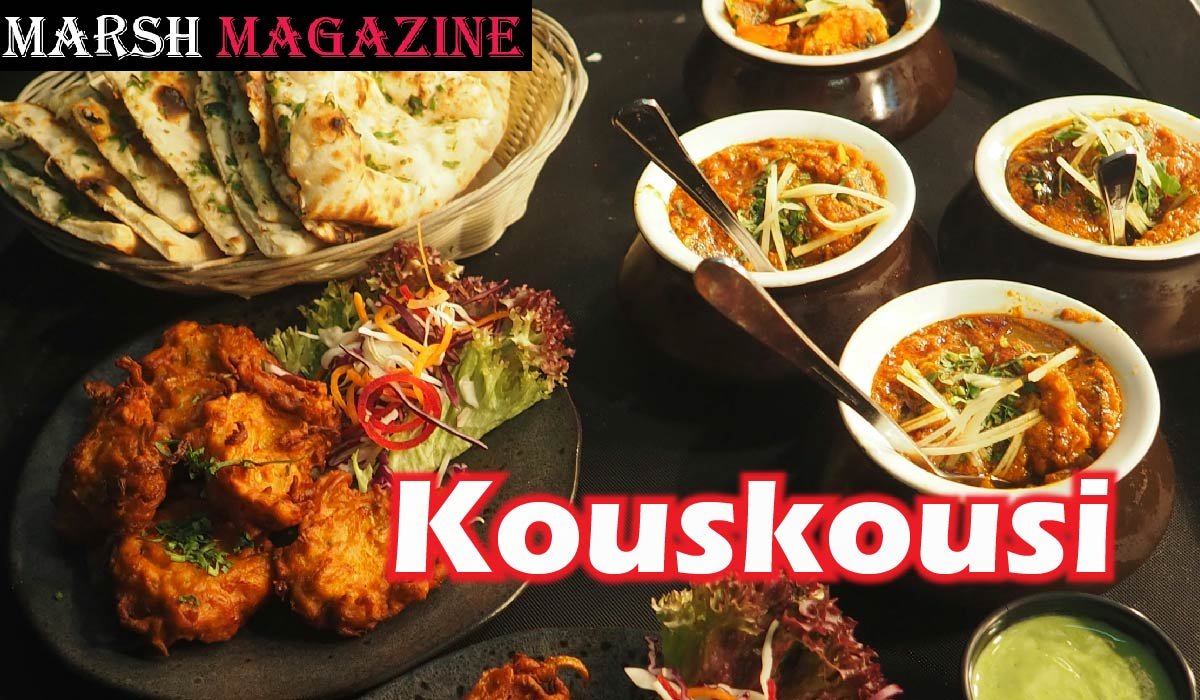
Kouskousi stands as a fascinating food term that sparks curiosity across cultures and cuisines. At first glance, many people feel confused because the word sounds similar to couscous. However, kouskousi carries two distinct meanings that explain why search interest continues to grow. On one side, it connects to the traditional North African couscous dish made from steamed semolina grains. On the other side, it refers to a Greek or Balkan toasted pasta with larger, pearl-like grains.
Because of this dual identity, people often search questions like “what is kouskousi” or “kouskousi vs couscous.” Moreover, the dish holds deep cultural importance in both regions. It appears in family meals, festive gatherings, and everyday cooking. At the same time, its versatility allows it to adapt to modern kitchens and global recipes. Therefore, understanding kouskousi requires looking beyond a simple definition. This guide explains its meaning, origins, preparation methods, and cultural significance in full detail.
What Is Kouskousi?
Kouskousi is a culinary term with a dual meaning that depends on regional context and cooking tradition. In North Africa, it refers to couscous, a dish made from finely rolled semolina that gets steamed to achieve a light and fluffy texture. In contrast, in Greek and Balkan cuisine, kouskousi refers to a toasted pasta made from durum wheat semolina, shaped into small, rounded grains that resemble pearls. These grains cook differently and offer a firmer, slightly chewy texture. Because both forms use semolina, confusion often arises among readers and home cooks. However, the key difference lies in preparation and texture. Couscous absorbs steam, while Greek kouskousi cooks in liquid like rice or pasta.
Snippet Definition:
“Kouskousi is either a traditional North African semolina dish (couscous) or a Greek toasted pasta with larger grains.”
Origin and History of Kouskousi
Kouskousi has roots that stretch deep into ancient food traditions shaped by geography, survival, and cultural exchange. In North Africa, Berber communities developed couscous as a practical food source that could survive harsh desert conditions. Regions such as Morocco, Algeria, Tunisia, and Libya relied heavily on durum wheat, which grew well in dry climates. Over time, people refined the process of rolling semolina into tiny granules and steaming it to create a nourishing and durable meal.
Meanwhile, as trade and migration expanded across the Mediterranean, similar wheat-based foods began to evolve. Greek and Balkan communities adapted semolina into pasta-like forms, creating what is now known as kouskousi in those regions. Families often hand-rolled and sun-dried these grains, especially in rural villages. Furthermore, the cultural importance of couscous gained global recognition when UNESCO listed it as intangible cultural heritage. This recognition highlights how deeply connected the dish remains to identity, tradition, and shared history across multiple nations.
Kouskousi vs Couscous
Understanding the difference between couscous and kouskousi helps remove confusion and improves cooking accuracy. Although both foods use semolina, their preparation and texture differ significantly. Greek kouskousi acts like pasta, while couscous behaves like a steamed grain.
| Feature |
Kouskousi (Greek) |
Couscous (North African) |
| Type |
Toasted pasta |
Steamed semolina |
| Texture |
Larger, chewy |
Fine, fluffy |
| Cooking |
Boiled or simmered |
Steamed |
| Flavor |
Nutty and rich |
Light and absorbent |
Therefore, the difference between couscous and kouskousi lies in both cooking method and eating experience. One feels hearty and structured, while the other feels soft and delicate.
Ingredients That Define Kouskousi
Kouskousi relies on simple ingredients, yet each component plays a vital role in flavor and texture. Semolina forms the foundation, and its quality directly affects the final result. This coarse flour comes from durum wheat, known for its strength and elasticity. Because of this, the grains hold shape during cooking. In addition, spices bring depth and aroma to the dish.
Cumin, paprika, cinnamon, and coriander create a balanced flavor profile that ranges from warm to slightly sweet. Vegetables also contribute essential texture and nutrition. Carrots, zucchini, and tomatoes add color and natural sweetness. Furthermore, protein choices such as lamb, chicken, seafood, or legumes enhance the dish’s richness. Olive oil adds smoothness and helps separate grains, while fresh herbs like parsley and cilantro provide freshness. Together, these ingredients create a complete and satisfying meal.
How Kouskousi Is Made (Traditional vs Modern)
The preparation of kouskousi reflects both tradition and adaptation. Traditionally, North African couscous requires a steaming process using a special pot called a couscoussier. The semolina gets moistened, rolled, and steamed multiple times to achieve a light texture. Each stage improves separation and flavor absorption. In contrast, Greek kouskousi involves toasting semolina grains before drying them.
This step creates a nutty aroma and firm structure. Cooks then boil the grains in broth, similar to pasta or rice. Meanwhile, modern kitchens often use quicker methods. Instant couscous requires only hot water, while packaged kouskousi cooks faster than traditional versions. However, shortcuts often reduce depth of flavor. Therefore, authentic preparation still delivers the best results.
Regional Variations of Kouskousi
Kouskousi changes dramatically across regions, and each variation reflects local culture and ingredients. Moroccan versions often combine sweet and savory flavors by adding raisins and cinnamon. Algerian recipes focus on hearty textures with chickpeas and thick sauces. Tunisian kouskousi stands out for its bold spice level, often enhanced with chili paste and seafood.
Meanwhile, Greek and Balkan styles emphasize toasted grains paired with tomato-based meat dishes like giouvetsi. In France and other Mediterranean regions, chefs experiment with fusion versions that include seafood and modern plating styles. These variations prove that kouskousi adapts easily while maintaining its core identity.
Also Read : Babybelletje Explained: The Surprising Link to Cheese Snacks
Popular Kouskousi Recipes
Kouskousi serves as a versatile base for many dishes, making it suitable for both traditional and modern recipes. A classic meat stew version combines slow-cooked lamb or chicken with vegetables and spices. Vegetarian bowls use roasted vegetables and legumes to create a lighter option. Additionally, kouskousi salad has become popular in modern kitchens, especially during summer. This version mixes cold grains with cucumber, tomatoes, and herbs. Seafood kouskousi adds shrimp or fish for a coastal twist. Some cultures even prepare sweet versions using dried fruits and sugar. Therefore, the dish suits many tastes and occasions.
Nutritional Value and Health Benefits
Kouskousi offers several nutritional benefits that support a balanced diet. It provides complex carbohydrates that supply steady energy throughout the day. In addition, semolina contains moderate protein levels, which support muscle health. Vegetables and legumes increase fiber content, improving digestion and satiety. Furthermore, the dish contains selenium, a mineral that supports immune function. Olive oil adds healthy fats that promote heart health. Although kouskousi contains gluten, alternatives made from corn or millet provide options for those with dietary restrictions. Overall, kouskousi nutrition supports both energy and long-term health.
Cultural Importance of Kouskousi
Kouskousi represents more than food because it symbolizes community and tradition. Families often serve it in large shared dishes, encouraging connection and conversation. In many cultures, it plays a central role in religious celebrations such as Eid and weddings. Furthermore, recipes pass from generation to generation, preserving identity and heritage. This deep cultural value explains why the dish remains relevant today.
Why Kouskousi Is Trending Again
Kouskousi has gained renewed attention due to changing food trends and global interest in traditional cuisine. The rise of the Mediterranean diet has increased demand for healthy grains and balanced meals. At the same time, social media and food blogs highlight its versatility and visual appeal. Restaurants also include kouskousi in modern menus, often presenting it in grain bowls or fusion dishes. As a result, the dish continues to grow in popularity worldwide.
Common Mistakes When Cooking Kouskousi
Many cooking mistakes reduce the quality of kouskousi, especially for beginners. Overcooking often leads to a mushy texture that lacks structure. Using plain water instead of broth removes depth of flavor. Additionally, failing to fluff the grains causes clumping. Skipping the steaming process also prevents proper texture development. Avoiding these mistakes ensures better results.
How to Cook Kouskousi Perfectly (Step-by-Step)
Cooking kouskousi correctly requires attention to detail and proper timing. Start by measuring a ratio of one cup of grains to two cups of liquid. Next, lightly toast the grains to enhance flavor. Then, add broth instead of water for richness. After that, simmer or steam depending on the type. Allow the grains to rest before fluffing them with a fork. Finally, add olive oil and herbs for extra flavor. This method ensures a light and well-separated texture.
Kouskousi in Modern Cuisine
Modern cuisine uses It in creative and flexible ways. Chefs include it in grain bowls, vegan dishes, and fusion recipes. Its ability to absorb flavors makes it ideal for diverse cooking styles. As a result, it fits both traditional meals and contemporary dining trends.
Kouskousi vs Other Grains & Pasta
It compares well with other grains and pasta types. Bulgur offers a coarser texture, while quinoa provides higher protein content. Orzo resembles pasta but lacks the same nutty flavor. Rice remains softer and less structured. Therefore, It stands out for its balance of texture and versatility.
Conclusion
It reflects a rich blend of culture, history, and culinary creativity. Its dual identity connects North African tradition with Mediterranean innovation. At the same time, its versatility allows it to remain relevant in modern kitchens. Whether served in a traditional setting or a contemporary dish, It continues to bring people together through food.
FAQs About Kouskousi
Is It the same as couscous?
No, It can refer to couscous or Greek pasta depending on context.
Is It a grain or pasta?
It is usually pasta in Greek cuisine but semolina grains in North Africa.
Is It healthy?
Yes, it provides carbohydrates, protein, and essential nutrients.
Can you make It without steaming?
Yes, Greek versions cook by boiling instead of steaming.
What does it taste like?
It tastes mild, slightly nutty, and absorbs surrounding flavors well.
Visit For More Info : Marsh Magazine